
FAQ
General Eye Care
When should I see an eye specialist?
Routine eye exams are recommended annually if you’re over 40 or have conditions like diabetes, high blood pressure, or a family history of eye disease. Seek immediate care for sudden vision loss, trauma, or severe discomfort.
What is the difference between an optometrist and an ophthalmologist?
At Lowveld Eye Institute, our team includes highly trained ophthalmologists who manage both medical and surgical eye care, including complex conditions like glaucoma, retina problems, and cataracts.
Pterygium
What is a pterygium?
If it grows towards the central cornea, it can affect vision and may need surgical removal. We offer minimally invasive surgery with low recurrence.
Cataracts
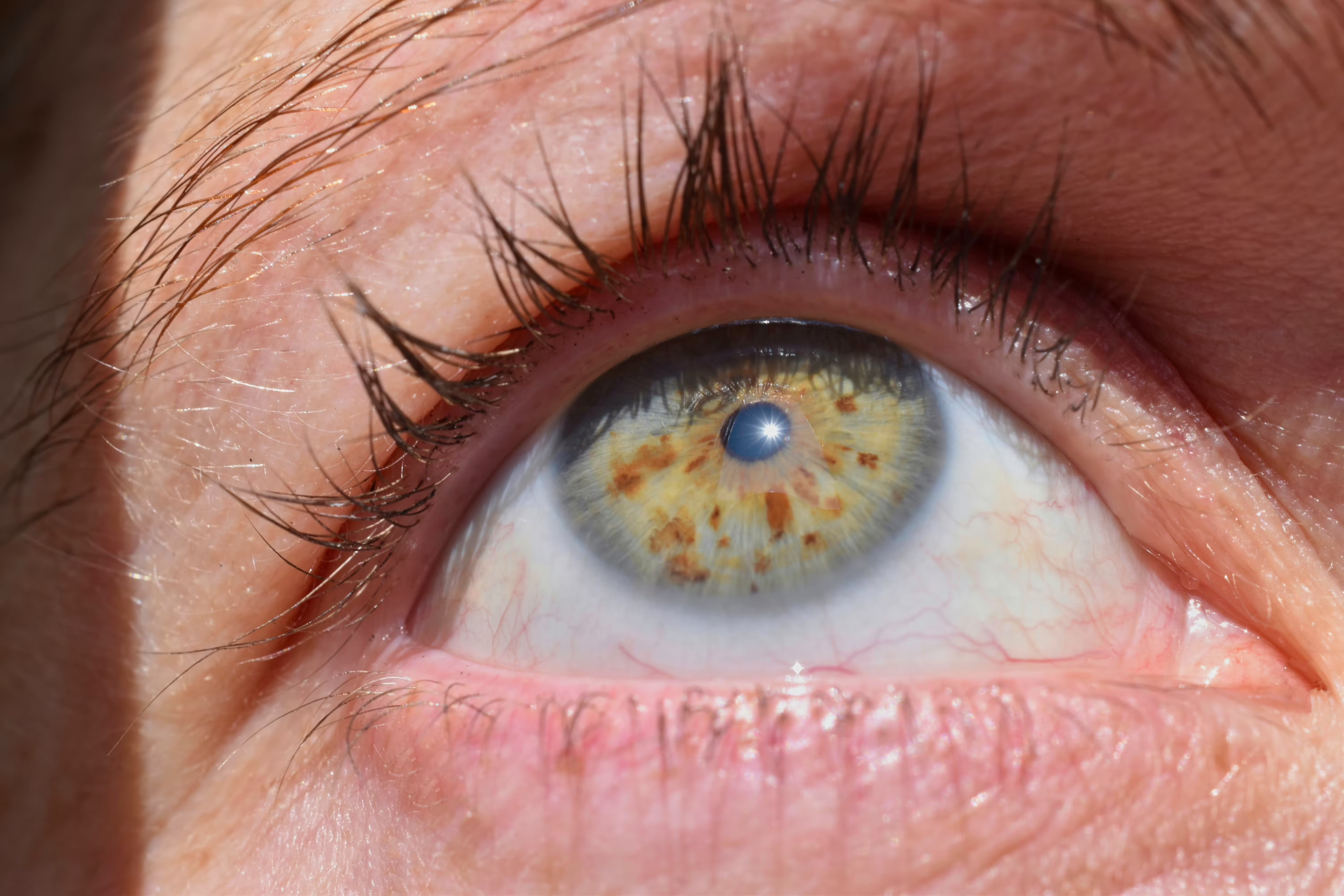
What are cataracts?
They often develop with age but can also result from trauma, certain medications, or health conditions like diabetes. Cataract surgery replaces the cloudy lens with a clear artificial one.
Is cataract surgery painful?
Most patients report minimal discomfort. At Lowveld Eye Institute, we use advanced surgical techniques to ensure a comfortable experience with fast recovery
Dry Eyes
Why do my eyes feel dry or gritty?
Causes include age, screen time, medications, or inflammation. We offer comprehensive treatments from artificial tears to advanced therapies like LipiFlow®.
Glaucoma
What is glaucoma?
It’s a silent thief of sight that can lead to blindness if untreated. Regular screenings are vital, especially if you’re over 40 or have a family history.
Can glaucoma be cured?
Treatment options include eye drops, laser therapy, and surgery. Early detection and consistent management are key to preserving vision.
Eye Trauma
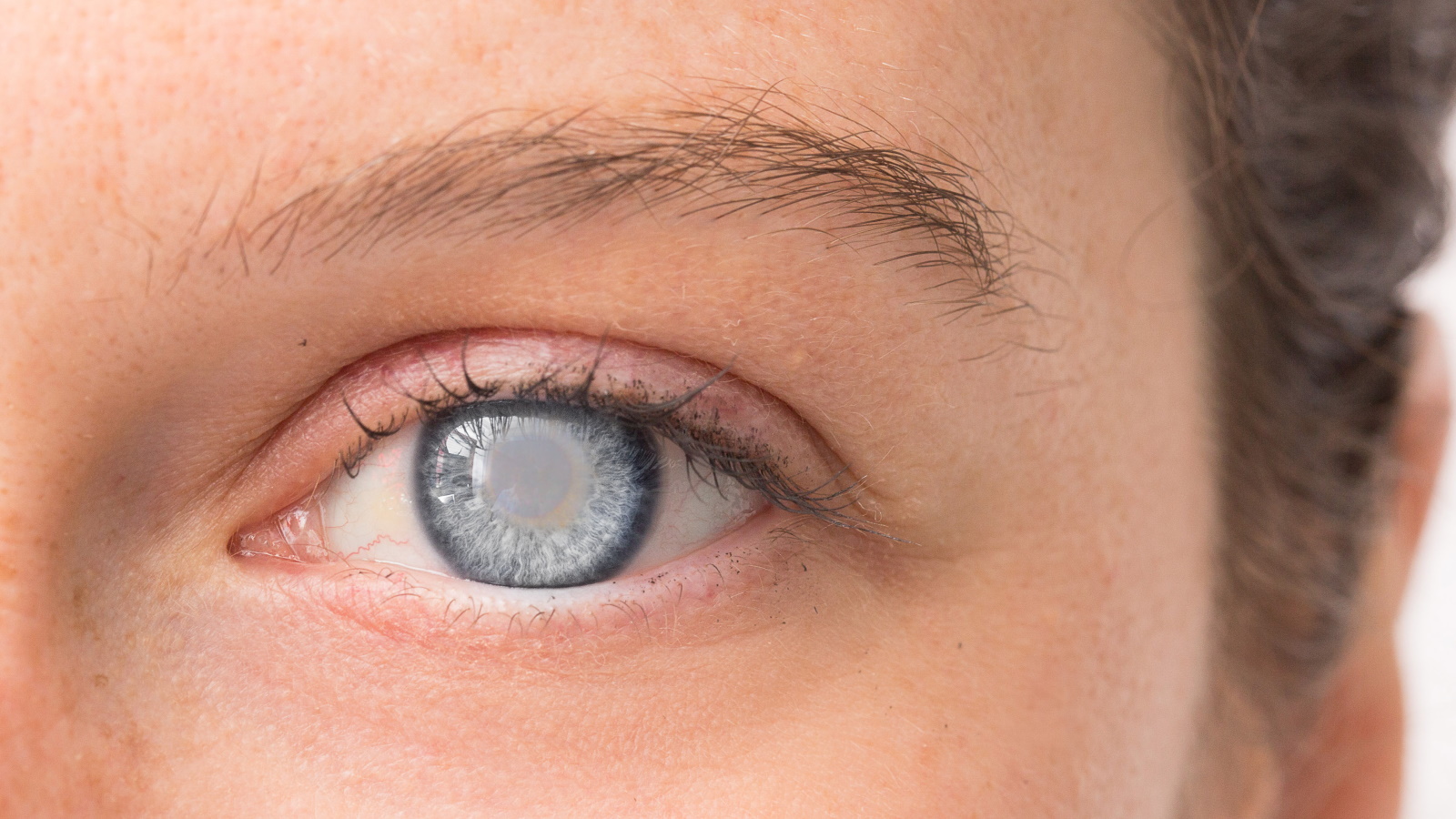
What should I do if I injure my eye?
Do not rub the eye or attempt to remove objects. Lowveld Eye Institute offers emergency eye trauma services, including surgery if needed.
Diabetic Eye Disease
How does diabetes affect my eyes?
Uncontrolled diabetes may lead to vision loss. Annual eye exams with pupil dilation are essential. We offer laser, injection, and surgical treatments to preserve vision.
Can diabetic eye disease be reversed?
Early intervention helps stabilize the condition and prevent progression. Our retina specialists offer customized care plans.
Age-related Macular Degeneration (AMD)
What is AMD?
It’s more common in people over 60 and can be “dry” (slow) or “wet” (faster and more serious). Treatments include injections and lifestyle changes.
Pediatric Eye Conditions
What is strabismus?
Strabismus can affect depth perception and may lead to lazy eye (amblyopia) if untreated. We offer both surgical and non-surgical treatment options for children and adults.
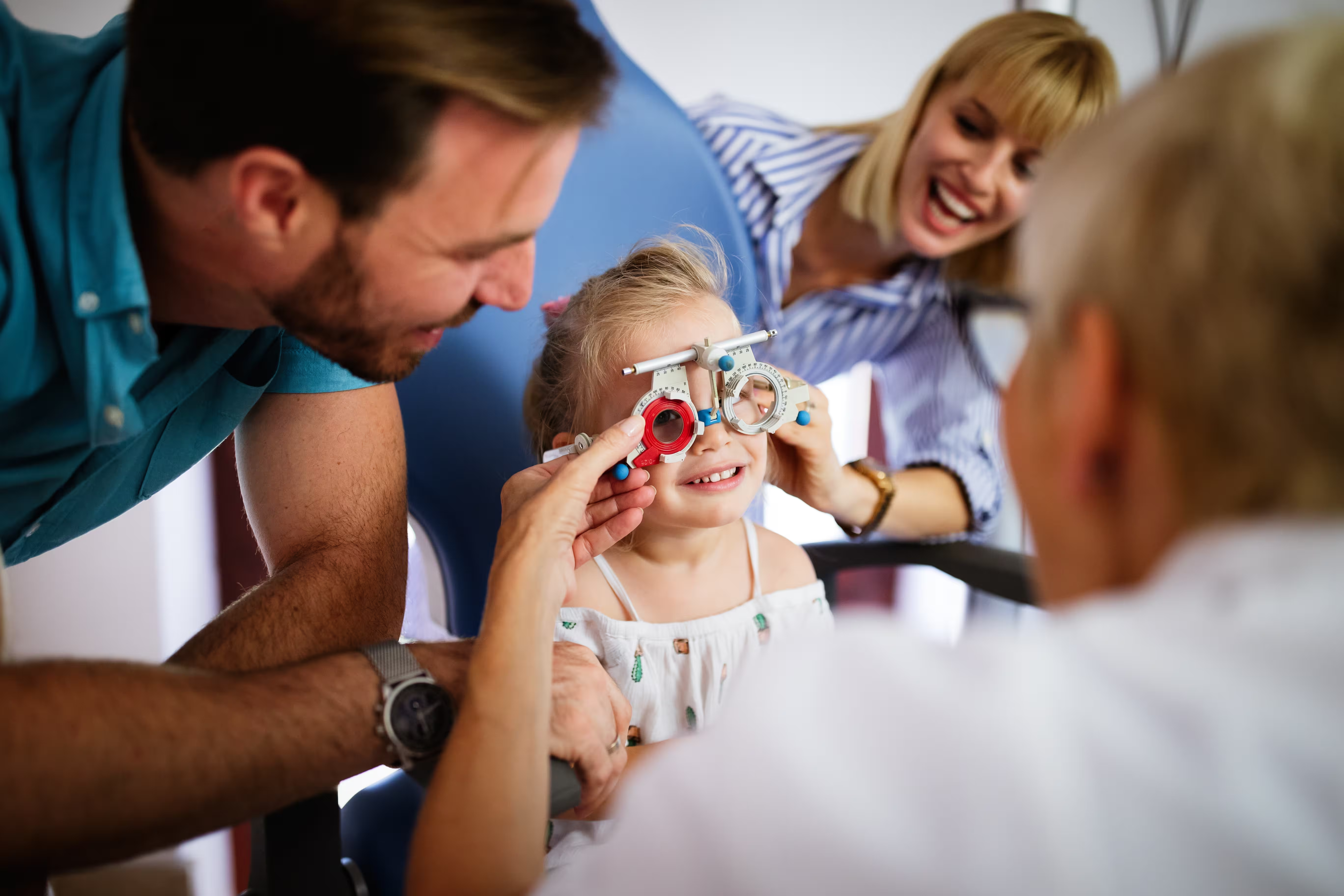
Is it normal for children to need glasses?
Early screening helps ensure proper visual development and academic performance.
Refractive Surgery
Do you offer LASIK?
LASIK isn’t suitable for everyone. We assess corneal thickness, prescription stability, and other factors to ensure your safety.
Neuro-Ophthalmology
What causes double vision or visual field loss?
Conditions like stroke, tumor, or optic neuritis may cause these symptoms. Our neuro-ophthalmology team uses advanced diagnostics for accurate treatment.
Keratoconus
What is keratoconus?
This causes distorted vision. Treatments include corneal cross-linking, rigid contact lenses, or surgery in advanced cases.
Appointments & Billing
How do I book an appointment?
Visit our Contact Us page for direct links and directions. Referrals are welcome but not always necessary.
Do I need a referral to see a specialist?
You can contact us directly for most services. If your medical aid requires a referral, your GP or optometrist can assist.
Do you accept medical aid?
Please confirm with our billing team before your appointment to ensure your plan covers the necessary procedures.

Multilingual & Accessibility
Is your service available in other languages?
We aim to make eye care accessible for all our patients. Let us know your preferred language when booking.